October 26, 2026
October 26, 2026
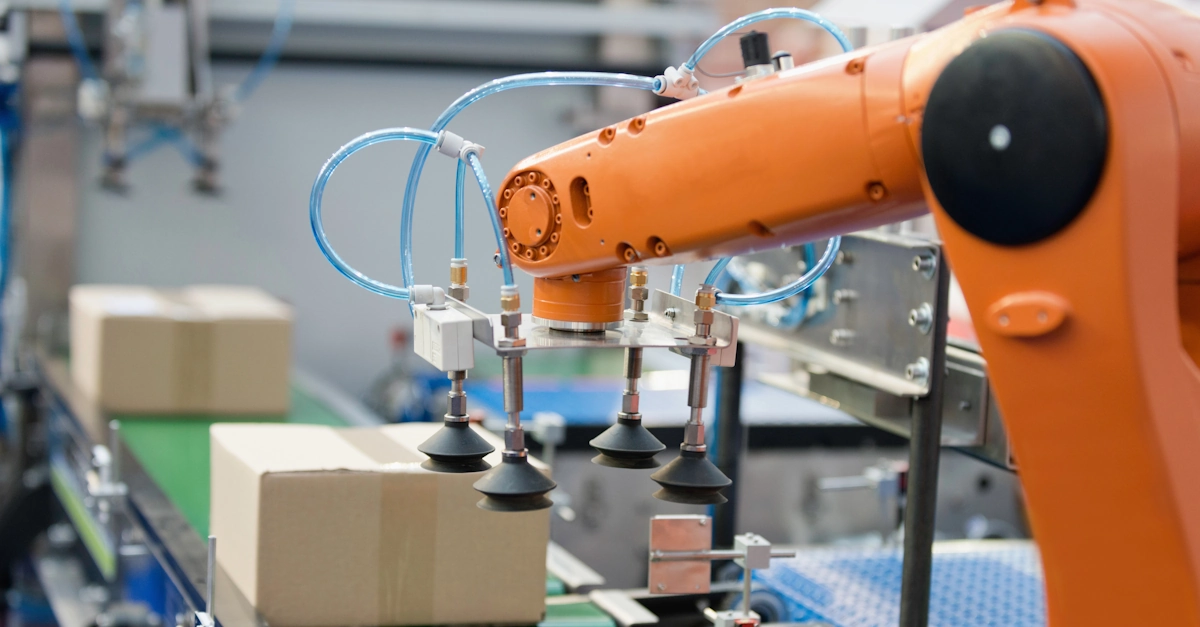
The US government has determined that foreign-produced advanced robotic devices pose unacceptable national-security and cybersecurity risks, particularly as mobile robots are increasingly deployed in manufacturing, logistics and the protection of critical infrastructure. Humanoid and quadruped robots combine AI with cameras, LiDAR, microphones, thermal sensors, wireless connectivity and over-the-air updates, creating broad attack surfaces. Malicious actors could exploit these capabilities to steal sensitive environmental and operational data, conduct surveillance, manipulate physical movements or remotely commandeer robots. The determination also cites supply-chain risks, including limited visibility into firmware, components and possible pre-installed backdoors.
The FCC consequently added foreign-produced advanced robotic devices to its Covered List, preventing new models from receiving the authorization generally required for import, marketing and sale in the United States. Previously authorized and purchased devices remain unaffected, while manufacturers may seek conditional approval from the Department of War. Security specialists quoted in the article broadly support stronger supply-chain resilience but argue that country of origin should not replace technical assessment. They recommend examining software and hardware bills of materials, firmware, update mechanisms and embedded components because secure engineering—not geography alone—determines whether an individual device can be trusted.
Source: Industrial Cyber