.svg)
February 7, 2026
February 7, 2026
BleepingComputer’s year-in-review highlights 15 cybersecurity stories that defined 2025, emphasizing how the threat landscape became both faster and more scalable. The piece says attackers increasingly used AI to speed up reconnaissance, write or adapt malware, and increase the volume of attacks, while zero-day exploitation remained one of the most reliable ways to break into organizations—especially through internet-facing edge devices and widely used enterprise software. It also calls out a major wave of Salesforce-related data theft and extortion where Salesforce itself wasn’t “hacked,” but customer data was repeatedly stolen via compromised accounts, OAuth tokens, and connected third-party services—showing how cloud platforms can become high-impact targets through identity and integration abuse. Finally, it notes that 2025 also saw major IT outages across large cloud and internet providers; even when not caused by breaches, the disruptions were significant enough to belong in the year’s top security stories.
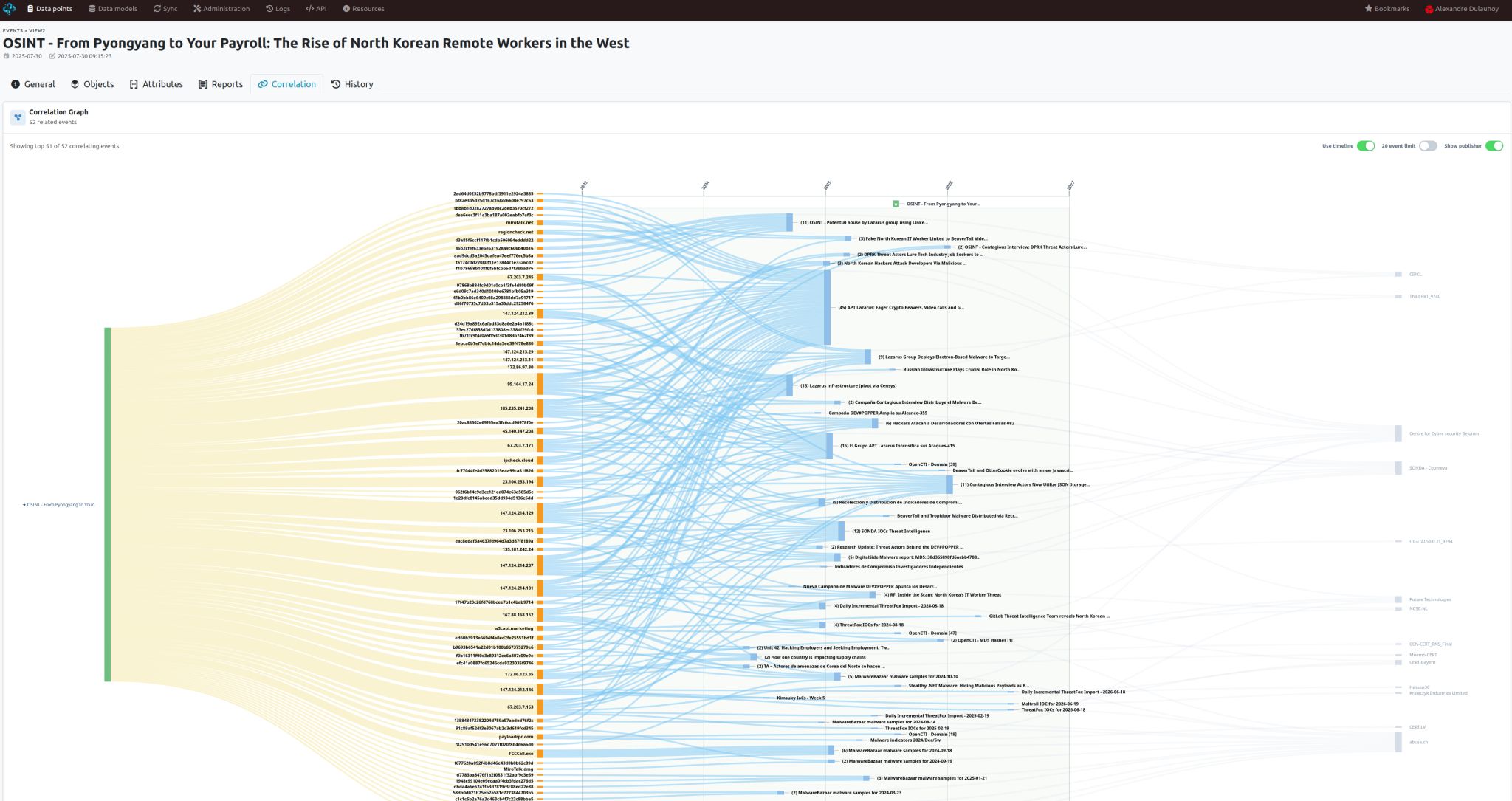
Beyond those headline trends, the article underscores that many of the most effective intrusions relied on people and processes, not just software flaws. It describes widespread social engineering patterns such as “ClickFix” (tricking users into running commands that infect their own machines) and help-desk targeting (where attackers impersonate employees to bypass account controls), along with insider-driven incidents where trusted access was abused or not properly revoked. It also highlights record-breaking DDoS attacks, a surge in developer supply-chain compromises across package and extension ecosystems (npm, VSCode/OpenVSX, PyPI), and state-linked campaigns such as the continued Salt Typhoon telecom intrusions and North Korean IT-worker infiltration schemes. The list also includes high-impact theft and extortion events—like the $1.5B ByBit crypto heist, Oracle E-Business Suite data-theft/extortion tied to Clop, and breaches with severe personal impact such as the PornHub data theft—illustrating how cyber risk in 2025 ranged from enterprise disruption to reputational and privacy harm.